Ayan
Ayan
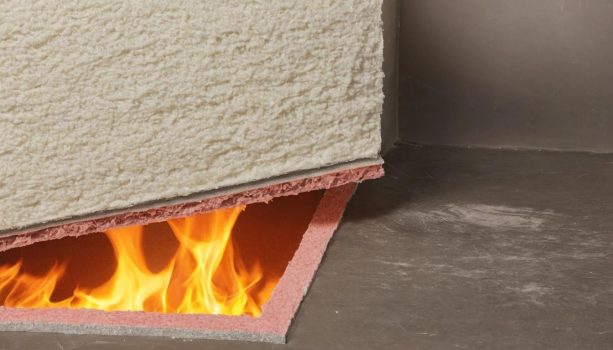
Fireproof insulation provides unmatched safety and protection. Discover its benefits, types, and why it’s essential for your home or workplace.
Are you prepared to protect your home and loved ones if a fire breaks out? Fireproof insulation is more than just a building material. It’s a life-saving shield that keeps you safe when the unexpected happens. Whether you’re building a new home, upgrading your office, or just looking to improve safety, understanding fireproof insulation is essential. Let’s dive into how it works, why it’s important, and how you can make your space safer today.
For comprehensive insights into fireproof insulation in Valencia solutions, visit acusfoc.com today.
What is Fireproof Insulation?
Fireproof insulation is a special material that resists heat and slows fire spread. It doesn’t catch fire easily, giving you and firefighters more time to react. Think of it as the armor your walls wear to protect you during a fire emergency.
Why is this important? Fires spread quickly, and every second counts. Fireproof insulation minimizes damage, prevents heat from traveling, and, most importantly, buys you time to escape safely.
Why Should You Invest in Fireproof Insulation?
Imagine you’re cooking dinner, and a small grease fire starts. Without fireproof insulation, the flames could quickly climb through walls or ceilings, turning a minor accident into a disaster. With fireproof insulation, the spread slows down, keeping your home intact longer and making it easier to control the fire.
Here’s why fireproof insulation is a must-have:
- Increased Safety: It protects your family and belongings by reducing fire damage.
- Peace of Mind: Knowing your home is equipped with fire-resistant materials can ease your worries.
- Lower Insurance Costs: Many insurance companies offer discounts for fireproofed homes.
- Environmental Benefits: Some fireproof insulations are made from eco-friendly materials like mineral wool.
How Does Fireproof Insulation Work?
You might be wondering, How can insulation stop fire? Fireproof insulation acts as a barrier that doesn’t burn easily. It works in three main ways:
- Slowing Heat Transfer: By reducing how fast heat spreads through your walls and ceilings.
- Containing Flames: Some types of fireproof insulation stop flames from traveling.
- Releasing Non-Flammable Gases: Certain materials emit gases that reduce oxygen, making it harder for flames to thrive.
Think of it like wearing a fire-resistant jacket. The flames might be there, but they can’t burn through as easily.
Types of Fireproof Insulation
Not all fireproof insulation is created equal. Here are the main types and where they work best:
| Type | Material | Best For | Fire Resistance Level |
|---|---|---|---|
| Mineral Wool | Rock or slag fibers | Walls, ceilings, floors | High |
| Fiberglass Insulation | Glass fibers | Homes, offices | Moderate |
| Spray Foam Insulation | Polyurethane-based | Tight spaces, attics | Low to Moderate |
| Cellulose Insulation | Recycled paper | Eco-conscious spaces | Moderate |
| Foam Boards | Polystyrene or PIR | Basement walls, roofing | Low to High (varies) |
Where Should You Install Fireproof Insulation?
Buying fireproof insulation is just the start. You also need to know where to put it. Focus on these areas for the best protection:
- Walls and Ceilings: Keep fires from spreading between rooms.
- Attics: Stop fires from going up, like from electrical problems.
- Basements: Protect your foundation and lower levels.
- Kitchens: Reduce risks in high-fire-risk areas.
How to Choose the Right Fireproof Insulation
Feeling lost with all the options? Don’t worry. Picking the right fireproof insulation is easy. Just think about what you need, your budget, and your space. Here’s a simple guide:
- Check Fire Ratings: Look for materials with high fire-resistance ratings (e.g., ASTM E119).
- Consider Your Budget: Mineral wool is effective but costs more than fiberglass.
- Think About Installation: Spray foam is great for tight spots but needs a pro to install.
- Focus on Eco-Friendliness: Choose cellulose or mineral wool for a green option.
- Ask for Expert Advice: Talk to contractors to make sure you’re making the best choice.
Installation Tips for Fireproof Insulation
Installing fireproof insulation is best left to the pros. But knowing the process helps you ask the right questions. Here’s what happens:
- Inspection: Contractors will check your space for fire hazards.
- Material Selection: They’ll suggest the best insulation for your building type.
- Installation: Pros will fit the insulation tightly into walls, ceilings, or floors.
- Testing: They’ll test to make sure it covers well and resists fire.
Fireproof Insulation Maintenance
Does fireproof insulation need upkeep? Not much! But there are a few things you can do to keep it working well:
- Inspect Annually: Check for gaps or damaged areas, like in attics and basements.
- Seal Holes: Fix any holes or cracks that could lower fire resistance.
- Upgrade If Needed: Older insulation might need to be replaced with newer, better options.
Cost of Fireproof Insulation
How much does it cost to fireproof your home? It varies based on the material and your home’s size. Here’s a rough idea:
- Mineral Wool: $1.00–$1.50 per square foot
- Fiberglass: $0.50–$1.00 per square foot
- Spray Foam: $1.50–$3.00 per square foot
- Cellulose: $0.60–$2.30 per square foot
The upfront cost might seem high. But the long-term safety and savings are worth it.
Fireproofing Beyond Insulation
Want to do more? Add these extra fire safety steps to your fireproof insulation:
- Fire-Rated Doors and Windows: Make entry points stronger.
- Smoke Detectors: Put them in every room.
- Fire Extinguishers: Keep them where you can easily get to them.
- Fire Sprinklers: Think about adding an automatic sprinkler system.
Pros and Cons of Fireproof Insulation
| Pros | Cons |
|---|---|
| Slows fire spread, saving lives | Higher upfront cost |
| Protects valuables and reduces damage | Professional installation is needed |
| Lowers insurance premiums | Limited DIY options |
| Eco-friendly options available | May not suit all climates or spaces |
Key Takeaways
Fireproof insulation is a smart choice for safety. It protects your home or office from fires. Here’s what you need to know:
- Choose materials like mineral wool or fiberglass for high fire resistance.
- Install insulation in key areas like walls, ceilings, and kitchens.
- Pair it with other safety measures like fire-rated doors and smoke detectors.
FAQs About Fireproof Insulation
1. Is fireproof insulation completely fireproof?
No, it’s fire-resistant, meaning it slows down fire but doesn’t eliminate risk entirely.
2. Can I install fireproof insulation myself?
Most types require professional installation to ensure effectiveness.
3. How long does fireproof insulation last?
With proper care, it can last 20–30 years or more.
4. Is it worth the cost?
Absolutely! The safety benefits far outweigh the upfront investment.
5. Are there eco-friendly options?
Yes, materials like cellulose and mineral wool are both eco-friendly and fire-resistant.
Invest in fireproof insulation today. Your safety—and your family’s—is worth it.